The Caravaggio Question: The Painting The Taking of Christ
9 June, 2026 – 2 May, 2027
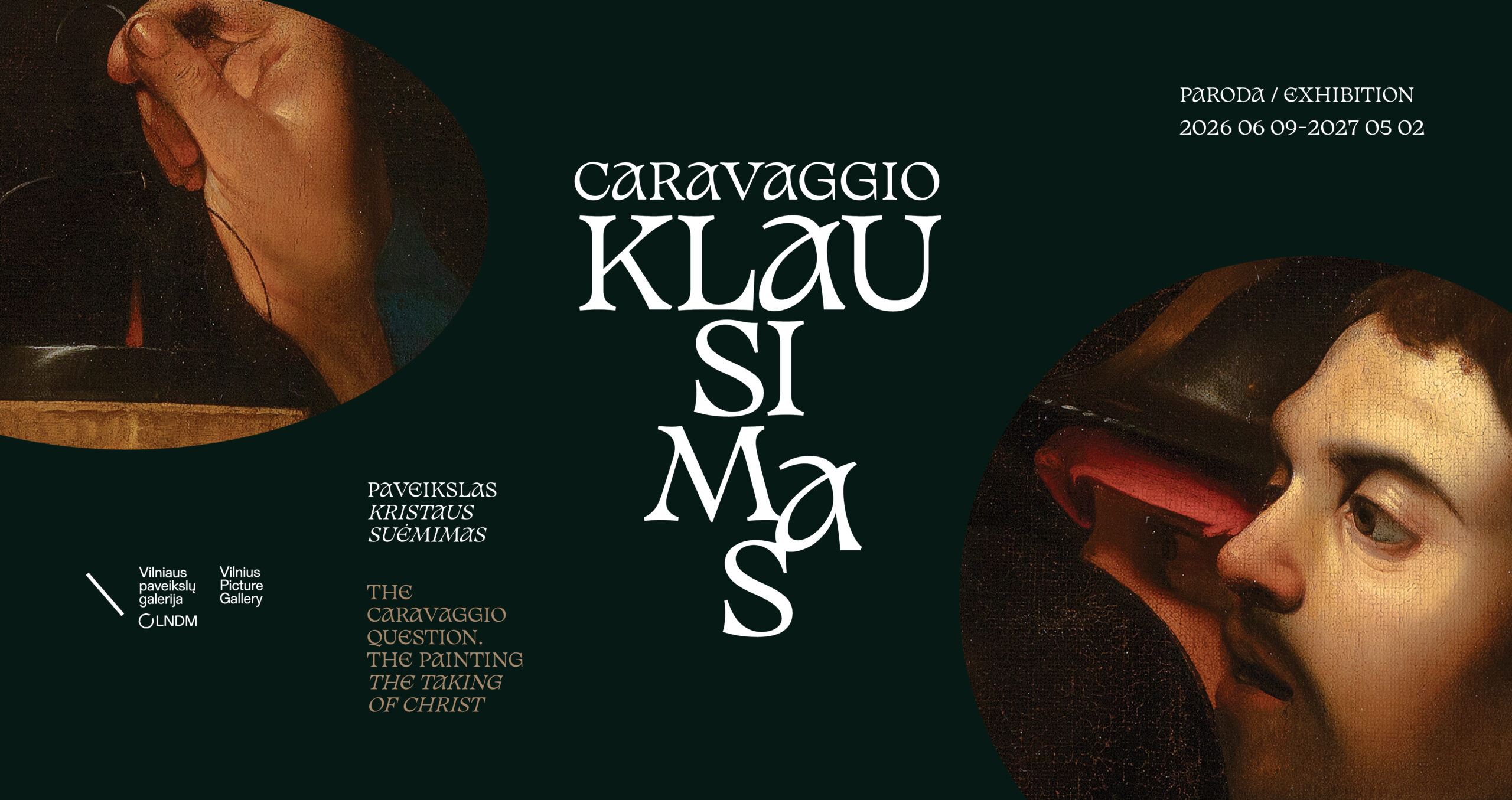 1603. Rome. Ciriaco Mattei stood before yet another painting now gracing the walls of his palace. A commotion, faces emerging from darkness, the desperate cry of John, a quiet resignation — the emotional tension and the physical proximity of the figures are almost palpable, as though one were present in the Garden of Gethsemane, reaching to pull the betrayer from His face. The work was, once again, faultless. He had paid Michelangelo da Caravaggio 125 scudi for The Taking of Christ, with no inkling that a brief entry in his account books would, centuries later, become one of the greatest discoveries in the art world.
More than a decade on, with both Ciriaco and his protégé gone, the patron’s brother Asdrubale Mattei commissioned a copy of the work from the painter Giovanni di Attilio, promising a fee of just 12 scudi. Both the copy and the original remained in the Mattei family collection until at least 1729, when their paths finally diverged.
In 1802, Lord William Hamilton Nisbet was granted permission to remove from Rome a canvas attributed to Gerard van Honthorst, The Taking of Christ. In Scotland, the work remained quietly in place for nearly 120 years before eventually passing into the hands of the Jesuits in Dublin. Meanwhile, in the bustling Parisian art market of the 19th century, a work called The Kiss of Judas was presented on several occasions as an original Caravaggio. In 1868, the Ukrainian-born diplomat and collector Alexander Basilevski acquired one such work; in 1899, this painting entered the collection of the newly founded Odessa City Art Museum as a work by Caravaggio.
And what of Dublin? In 1990, the conservator Sergio Benedetti noticed a painting hanging in the Jesuit refectory and proposed the attribution to Caravaggio. That same year, art historians Francesca Cappelletti and Laura Testa located and published the 1603 account-book records in the Mattei family archive. By 1993, the Dublin painting was officially presented as a possible original.
At least twelve copies of The Taking of Christ are currently known worldwide. Scholarly debate continues over how much of the authentic Caravaggio survives in each. One of the most widely held theories identifies the Odessa painting as the earliest copy, made by di Attilio. Not all questions will be answered here, but the exhibition offers a rare opportunity to observe how art history is written.
Organisers: LNMA Vilnius Picture Gallery, The Odesa Museum of Western and Eastern Art
Project leaders: Director General of the Lithuanian National Museum of Art Arūnas Gelūnas, Director of the Odesa Museum of Western and Eastern Art Igor Poronyk, Director of the LNMA Vilnius Picture Gallery Aistė Bimbirytė
Exhibition curators and coordinators: Aistė Bimbirytė, Gabija Kasparavičiutė-Kaminskienė, Skaistis Mikulionis, Joana Vitkutė
Architect Ūla Žebrauskaitė-Malinauskė
Designer Dominyka Gurskaitė
Translators: Raminta Bumbulytė, Džiulija Elena Fedirkienė, Ruslanas Skrobacas
Editors Ilona Čiužauskaitė, Olha Proskura
Supervision by restorers: Linas Lukoševičius, Regimantas Paulionis, Lukas Rakauskas, Tomas Ručys, Jūratė Senvaitienė, Algimantas Vaineikis, Rolandas Vičys
Educators: Augustina Ivanauskaitė, Jolanta Sereikaitė
Tour guides: Dalia Kaladinskienė, Akvilė Murauskaitė
Project partners: Embassy of the Republic of Lithuania in Ukraine, Embassy of Ukraine in the Republic of Lithuania, Embassy of the Republic of Lithuania in the Republic of Poland, Lithuanian Riflemen’s Union, 1008th Šventaragis Riflemen Company of the Lithuanian Riflemen’s Union, 313th Company of the 3rd Western (Sea) Riflemen Unit of the Lithuanian Riflemen’s Union, State Border Guard Service under the Ministry of the Interior of the Republic of Lithuania, State Border Guard Service of Ukraine, Customs of the Republic of Lithuania, State Customs Service of Ukraine, Pranas Gudynas Restoration Centre of the Lithuanian National Museum of Art, Patrol Police of Ukraine, Lithuanian Armed Forces, Lithuanian National Philharmonic Society
Sponsor UAB Ad Rem
Patron Honorary Consul of the Republic of Lithuania in Luhansk Region Robertas Gabulas
Media Sponsor Lithuanian National Radio and Television
Special thanks: Ambassador Inga Stanytė-Toločkienė, ambassador Olha Nikitchenko, ambassador Valdemaras Sarapinas
Serhii Burlachenko, Andrii Cherneha, Lyubomir Demyanchuk, Valdas Dovydėnas, Rita Grochovskienė, Tomas Ivanauskas, Renata Kanarskaja, Romas Klapatauskas, Mirijana Kozak, Lesia Rozhak, Narimantas Savickas, Andrius Šulskis, Agata Voleiko, Darius Zaura, Ieva Staškevičiūtė, Iryna Hlebova, Olha Kutsan
- Click here to buy an e-ticket for the exhibition
- Plan your visit
- Book a tour in English: +370 681 90329, gidai.vpg@lndm.lt
4 Didžioji st, Vilnius, Lithuania
+370 5 261 1685
vpg@lndm.lt