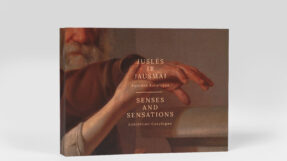
Senses and Sensations
5 March – 6 September 2026
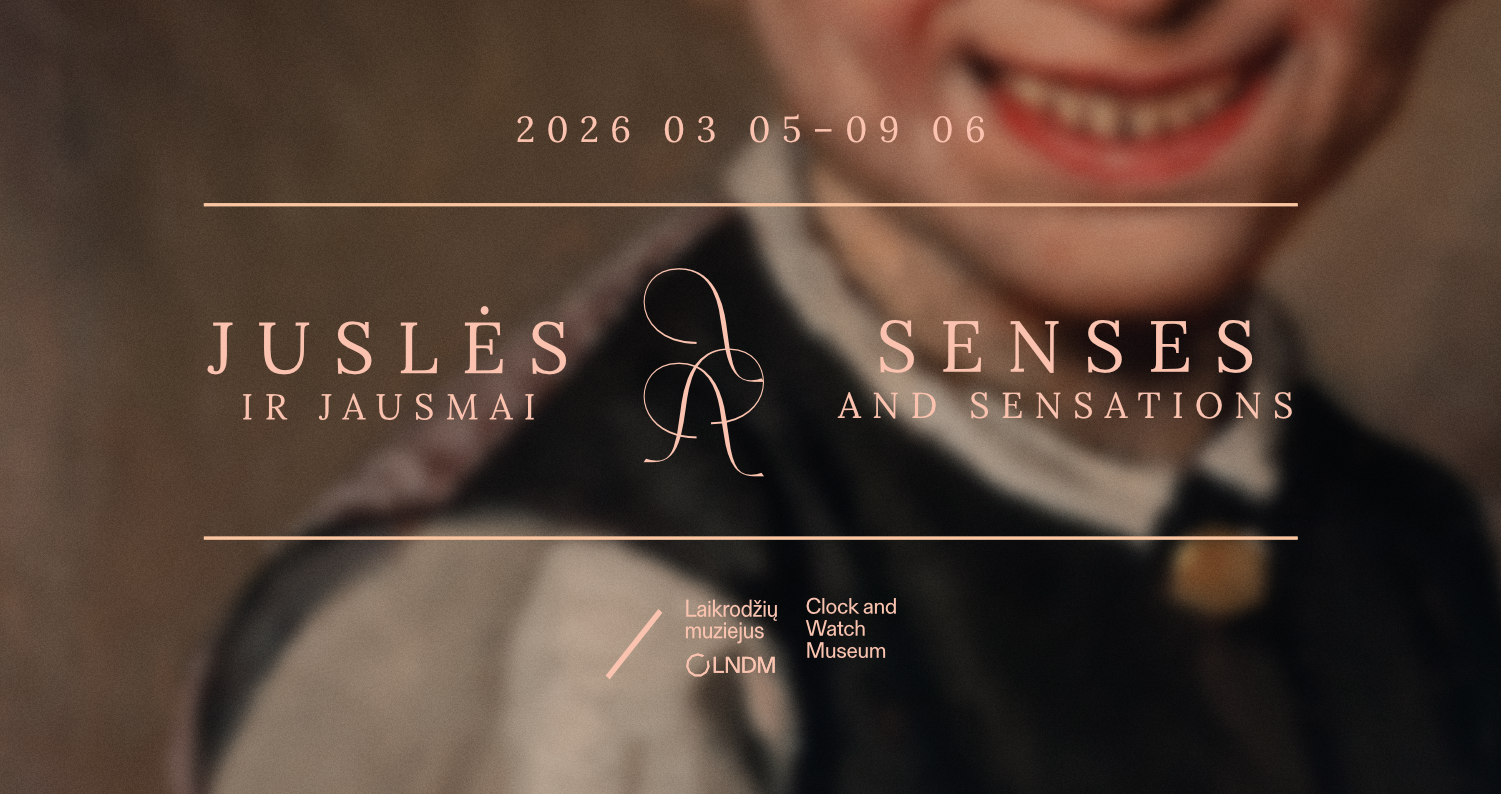 We feel happy, sad, and angry, we love, laugh, cry, fear or worry – we experience many emotions every day. Human feelings and the five senses that enhance them (sight, hearing, smell, taste, touch) have long attracted the attention of thinkers and creators who carefully observe the world.
Depicting the rich, complex and intricate palette of human emotions was not easy. Through perspective, shadow and colour management skills, it was possible to create evocative physical forms. Still, much more effort and sensitivity were required to reveal the feelings and psychological state of the characters. The situation was complicated further by the fact that for a long time, the unrestrained expression of feelings in works of art was not welcomed. In the representative portraits of the nobles, which were most profitable to the artists, emotional expressions were considered inappropriate, offensive to the dignity and disturbing the monumentality of the image. On the other hand, the display of feelings could flow freely in mythological, religious scenes or in portraits representing the lower classes who had significantly less respect for the established moral and social norms. Over time, as life became more modern, the interest in human psychology grew and the science of psychoanalysis developed, uninhibited displays of emotions in the artists’ works became more common, and creators began to be praised for their ability to convey the mood convincingly.
The exhibition is dedicated to the expression of senses and emotions in art and consists of two thematic parts: sensations (five senses) and feelings. Each of them is illustrated by the works of visual or applied art from the 16th to the early 20th centuries. At the exhibition, visitors are invited not only to follow the footsteps of the curators’ story but also to use their imagination to interpret the artworks, and to feel the individual emotions and physical senses the works evoke.
Exhibition Organisers: Vilnius Picture Gallery, Clock and Watch Museum
Curators: Gabija Kasparavičiutė-Kaminskienė, Joana Vitkutė, Giedrūda Kazonienė, Eglė Rumbutytė-Šimienė
Architect Romualdas Martinkus
Designer Julija Lečaitė
Translator Dr Raminta Bumbulytė
- Purchase an e-ticket for this exhibition
- Book a guided tour of this exhibition by phone +370 46 410 413, +370 46 410 417, email laikrodziu.muziejus@lndm.lt
- Plan your visit to the Clock and Watch Museum
12 Liepų st, LT-92114, Klaipėda, Lithuania.
+370 46 410 413,
+370 46 410 414;
fax +370 46 410 417;
laikrodziu.muziejus@lndm.lt